ADD THESE DATES TO YOUR E-DIARY OR GOOGLE CALENDAR
This site is part of the Siconnects Division of Sciinov Group
This site is operated by a business or businesses owned by Sciinov Group and all copyright resides with them.
ADD THESE DATES TO YOUR E-DIARY OR GOOGLE CALENDAR

Itaipu ParqueTec,Brazil.
Title:Who Programs the Bias? Gender, Power, and Violence in Generative AI Systems
Generative Artificial Intelligence (AI) technologies are reshaping the ways we communicate, work, and create knowledge. However, these systems often replicate and amplify pre-existing gender biases, leading to new forms of gender-based violence (GBV) in online environments. This presentation explores how the design and deployment of generative AI tools, such as chatbots, image generators, and recommendation algorithms, contribute to the normalisation and reproduction of GBV, with a particular focus on the Brazilian context. Drawing from an ongoing research project conducted at Itaipu Parquetec, which will be presented to the Ministry of Human Rights and Citizenship (MDHC) in Brazil in February 2026, the study investigates the intersection of gender, technology, and structural inequality. Through discourse analysis and case studies, it identifies how AI models perpetuate gender stereotypes, sexualization, and harassment online, while examining policy and ethical frameworks that could mitigate these harms. The paper argues for the urgent need to integrate feminist and decolonial perspectives into AI governance and digital literacy initiatives, emphasising that combating digital GBV requires an inclusive, human-centred approach to AI design and regulation.
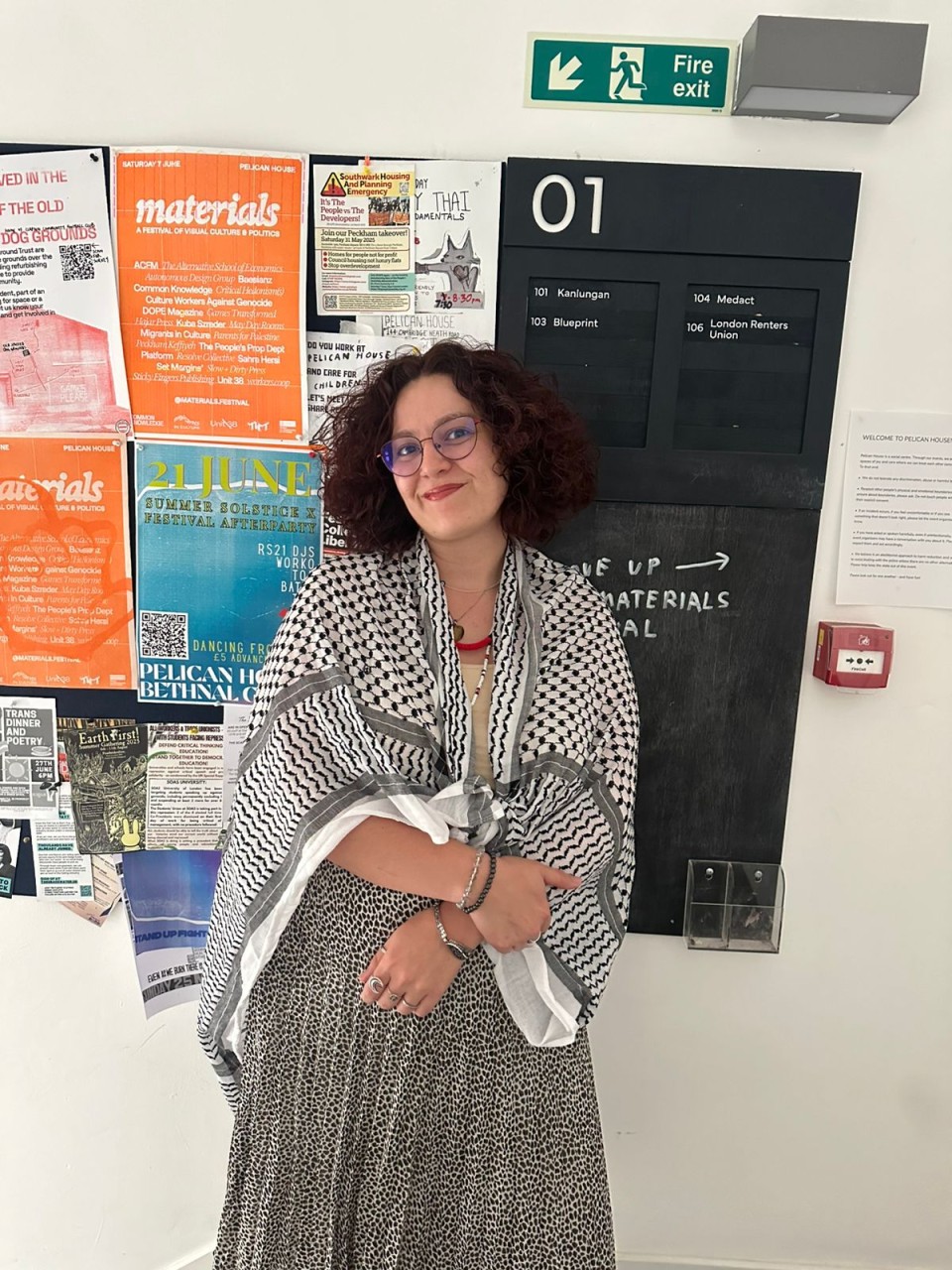
Alice Carolline Costa Hassan Querino holds a Master’s degree in Gender and International Relations and is a researcher at Itaipu Parquetec, where she leads a study on the impacts of generative AI on gender-based violence in Brazil. She has over seven years of experience in gender and human rights research, focusing on the intersection of gender, technology, and social justice. Alice is a Chevening Scholar alumna and has published and presented internationally on gender equality, digital rights, and community-based approaches to policy innovation.